As the year comes to a close and many of us look forward to a well-earned summer break, I want to take a moment to reflect on what has been an important year for the Office for Health and Medical Research (OHMR).
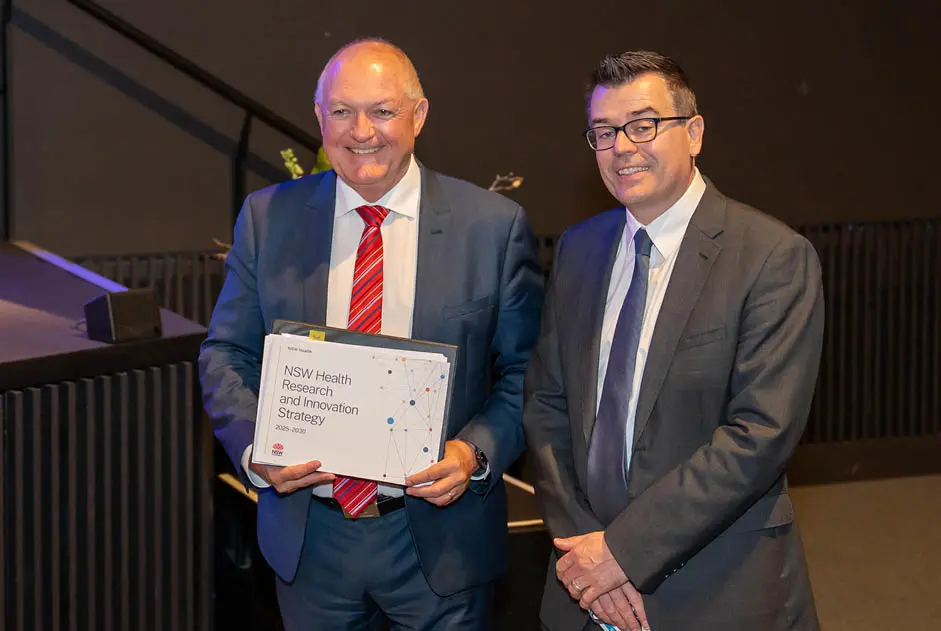
One of our most significant achievements this year was the launch of the NSW Health and Research Innovation Strategy, a 5-year blueprint and 10-year vision for a strong research and innovation ecosystem. The Strategy sets a clear direction for advancing medical research, improving healthcare delivery and equity of access, and enhancing patient experience. It also outlines plans for efficiency and sustainability to support the long-term prosperity of NSW.
In November the NSW Health Research and Innovation Council came together for its first quarterly meeting, marking a major milestone in bringing the Strategy to life. The Council brings together senior leaders from NSW Health, universities, medical research institutes, and peak bodies to drive system-wide innovation. It provides expert advice, monitors progress, identifies new research opportunities, and ensures alignment across the health research and innovation ecosystem.
This vision is only possible through the collaboration and commitment of partners across the health and research sectors. Thank you to everyone who has worked with us this year.
These achievements reflect the dedication and collaboration of our partners and stakeholders – thank you for your support throughout the year. As we head into the holiday season, I wish you a safe and restful break.
Looking ahead to 2026, we remain committed to supporting the delivery of research that makes a real difference for communities across NSW, and I look forward to continuing this journey with you.
Driving research and innovation
In 2025, OHMR introduced new funding opportunities and streamlined processes to accelerate research:
- Expressions of interest closed for the new Aboriginal Heart Health Grants. These grants will support high impact projects improving cardiovascular health for Aboriginal people. Each project will involve an Aboriginal Chief Investigator and partnerships with Aboriginal Community Controlled Organisations and other stakeholders.
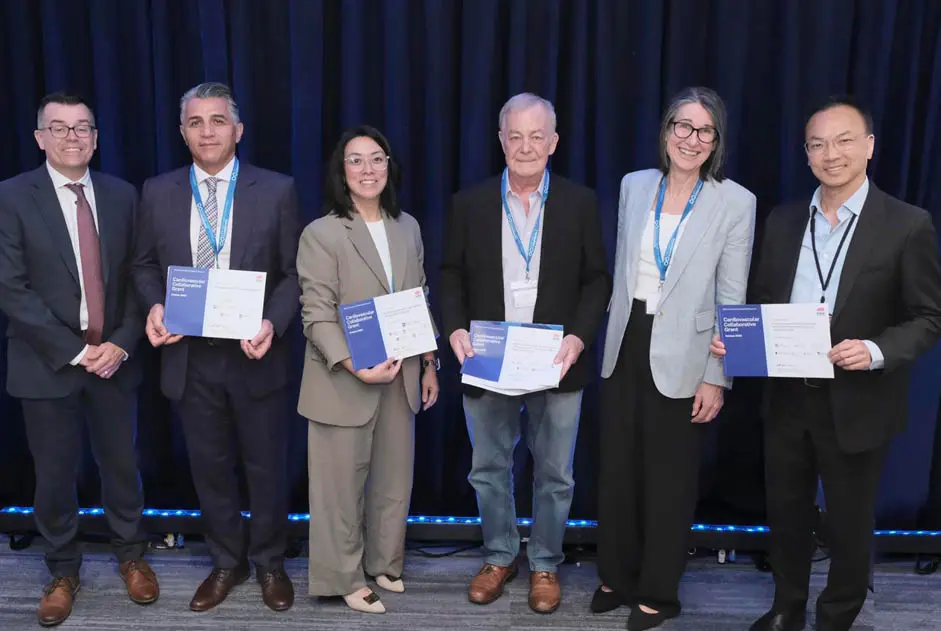
- Five outstanding research teams were awarded Cardiovascular Collaborative Grant funding to fast-track new treatments for cardiovascular disease.
- Other funding streams, including Early Mid-Career Grants and the Medical Devices Fund, continued to progress groundbreaking work.
- OHMR also piloted a one-step application process for the Translational Research Grants Scheme with the goal of reducing the administrative burden on all stakeholders and reducing the end-to-end timeline for administering each grant round.
Expanding clinical trials access
We worked to increase clinical trial access in rural, regional and remote NSW through site visits in Orange, Dubbo and the Far West. This year, we focused on extending the Quality Recognition Scheme, which sets benchmarks for excellence in clinical trial conduct, across NSW, to build capacity and strengthen quality across all trial sites.
We released the revised standardised Patient Information and Consent Form Guideline, co-designed with 700 stakeholders, which simplifies consent and strengthens participant-centred research.
In October, the first Community of Practice meeting brought together clinical trial coordinators and research nurses from rural and regional areas of NSW and the ACT as part of the Rural, Regional and Remote Clinical Trial Enabling Program, helping people access trials closer to home. In December, this was followed up with the first Community of Practice for Trial Unit Managers.
The Clinical Trials Management System continues to deliver significant value. It now holds records for 15,000 patients, supporting the delivery of clinical trials in towns that have never hosted them before. This forward-looking initiative is helping to build a learning health system and a skilled workforce beyond metropolitan Sydney.
Enhancing clinical trials support, delivery and governance
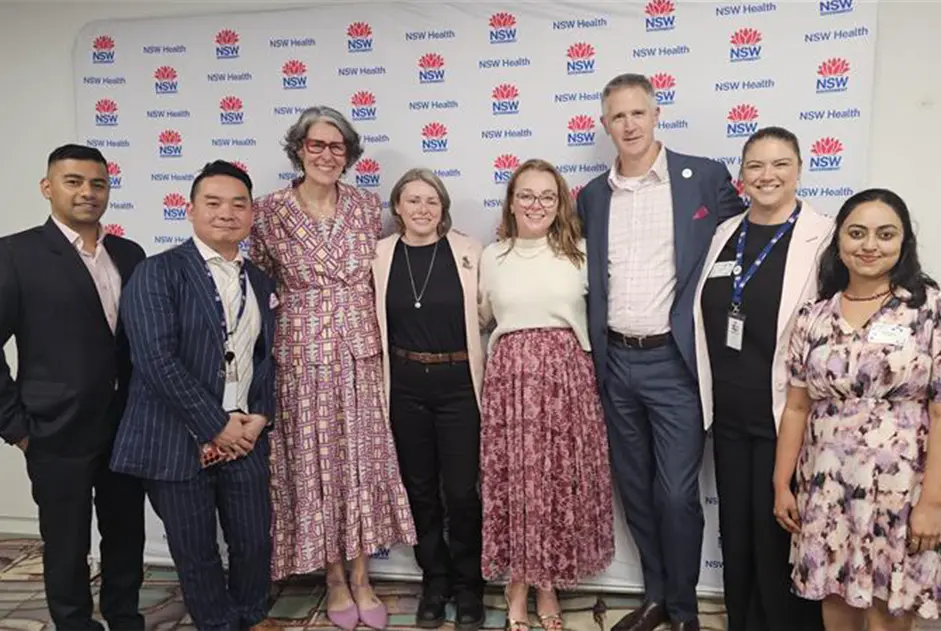
Other key milestones and achievements in the clinical trials domain include:
- An updated NSW Research Handbook (second edition), providing researchers with guidance to ensure compliance with the highest national and international standards.
- Celebration – for the second time – of the annual Research Administrators Appreciation Day, which acknowledges the dedication of research ethics and governance teams working tirelessly across the state.
- OHMR played a key role in the national clinical trial reform discussion, hosting the NSW Clinical Trials Summit at Parliament House, which brought together over 100 leaders to strengthen the clinical trials network.
- OHMR delegates also contributed to shaping the future of clinical trials by actively participating in the National One Stop Shop and Inter-Governmental Policy Reform Group, helping drive efforts to streamline and strengthen the national clinical trials system.
Evaluating impact
Independent evaluations confirmed the value of OHMR programs:
- The Cardiovascular Research Capacity Program evaluation showed more than $105 million in benefits and a return of $1.54 for every dollar invested, with 20% of funded projects influencing policy and clinical practice.
- The Commercialisation Training Program evaluation highlighted its success in attracting investment and addressing skill gaps.
- A review of the Medical Research Support Program commenced to assess outcomes over the past 10 years and inform future design.
Leveraging cutting-edge technologies to improve future health outcomes

In October, the Viral Vector Manufacturing Facility launched at the Westmead Health and Innovation Precinct, meeting growing local and global demand for viral vectors used in vaccines, gene therapies and cell therapies for conditions such as cancer and genetic diseases.
The Non-Animal Technology Network launched their Research Pillar Competitive Grant Scheme in July to expand the network and drive innovation in non-animal technologies. Applications have closed and the outcome will be announced in March 2026.
OHMR hosted the inaugural VaxNSW Connect Symposium in September, with over 50 experts discussing capabilities and opportunities across NSW, from vaccine design and manufacture through to non-clinical models and clinical trials. We partnered with VaxNSW and Biointelect to accelerate vaccine and immunotherapy development and establish the Biointelect Venturer, a national vaccine incubator. The $32.9 million proposal, shaped with input from OHMR, was further developed during the 2024 Vaccine Value Chain conference, which OHMR strategically sponsored.
OHMR developed Australia’s first Pharmaceutical and Advanced Therapeutic Production Credential providing education and training in aseptic production, including use of Sydney’s state-of-art Biologics Innovation Facility, demonstrating the state’s leadership in setting standards for the safe delivery of advanced therapeutics. This education package supports the implementation of the NSW Health Policy Directive: Preparation of Pharmaceutical and Advanced Therapeutic Products, which provides comprehensive guidance on safe and compliant preparation of these products across public health facilities. OHMR is providing scholarships for NSW Health staff.
Strengthening partnerships and ecosystems
For the first time in over a decade AusMedtech, Australia’s premier medical technology conference, was held in NSW. OHMR and Investment NSW supported the event as Host State Partners and this year it was one of the most well attended in its history. A highlight of the conference was the launch of the NSW Health Research and Innovation Strategy by the NSW Minister for Medical Research.
We established the Research and Innovation Navigator, a concierge service designed to connect government, academia, industry and the wider local and international research and innovation community, with the NSW healthcare system, and introduced a salesforce case management function to support this service.
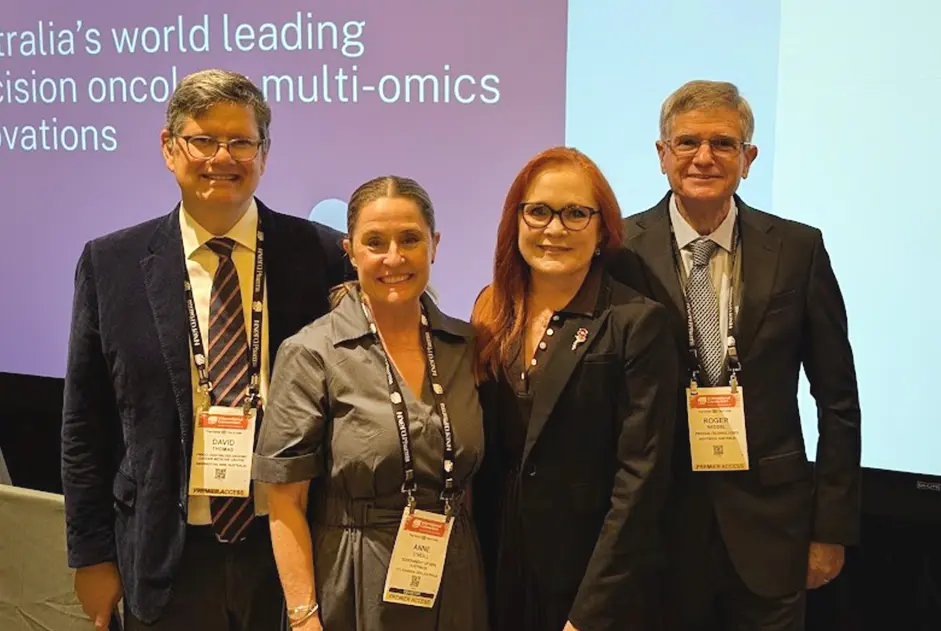
OHMR representatives attended the BIO International Convention in Boston, fostering global collaborations and showcasing NSW’s research strengths, including our world-leading precision oncology platforms and clinical trials.
In December, Deputy Secretary Dr Jean-Frédéric Levesque, led a NSW Health and Life Sciences delegation to the Joint Economic Meeting (JEM), held in Guangdong, China. The JEM, which convenes every two years, is a cornerstone government-to-government forum that provides the framework for strengthening economic ties between NSW and Guangdong, a province with an economy five times larger than that of NSW.
OHMR continued work to evolve the NSW Health Precincts, shifting the focus from capital development to research and innovation, and mapping strengths to maximise collaboration opportunities.
Supporting intellectual property
In 2025, OHMR strengthened support for managing intellectual property (IP) and commercialisation across NSW Health. We launched the IP and Commercialisation Central Support Service, providing researchers and innovators in NSW Health with practical tools and expert guidance to protect and leverage their ideas. This service includes:
- A digital hub offering resources on IP management, licensing, and commercialisation pathways.
- Access to a Supplier Panel of service providers with expertise in life sciences IP and commercialisation and tailored advice to help navigate complex IP issues.
- A Community of Practice and information sessions designed to build capability and confidence in managing IP within health research.
These initiatives ensure NSW Health researchers can translate discoveries into real-world impact while safeguarding innovation.
Delivering evidence to inform better care
In 2025, the Critical Intelligence Unit (CIU) made significant contributions to evidence-based decision making across NSW Health, including:
- Completing more than 45 evidence checks and briefs on a wide range of topics to support clinical guidance, models of care, and system-level decision making.
- Publishing over 40 editions of the Evidence Digest, showcasing innovations in healthcare and sharing insights across the system.
- Playing a key role in the Agency for Clinical Innovation and CIU consultancy model, supporting ongoing operations and deliverables that strengthen evidence-informed practice.